SUMMER SALE! DEALS ON PURCHASES OF MULTIPLE UNITS! - Call us NOW for a free quote 1-844-331-8368

Spring Inventory Surge Storage for Ontario Small Businesses
Spring Inventory Surge Coming? Add fast, secure overflow space with a 20ft or 40ft shipping container—delivered across Ontario in 1–3 business days, price match guaranteed.
TDOT Team
2/24/20265 min read
Spring is when many Ontario small businesses feel the squeeze: new product lines arrive, demand climbs, seasonal crews start up, and suddenly the backroom becomes a bottleneck. Retailers get bulk shipments. Landscapers and contractors stack supplies. Event companies prep gear for weekends. Distributors and installers run out of staging space.
If you’re hitting that seasonal wall, a shipping container is one of the fastest ways to add secure, weather-resistant, on-site storage—without long warehouse leases, construction, or constant trips to off-site storage.
At TDOT Containers, you can browse available units and request delivery anywhere in Ontario. Many customers receive their container within 1–3 business days, depending on season, inventory, and weather.
Why spring creates instant overflow for small businesses
Spring overflow isn’t just “more stuff”—it’s more pressure on your workflow:
Shipments arrive early (before the season really starts)
You carry more SKUs and more variants
Your team needs a clear path for picking/packing
High-value inventory gets exposed to damage, loss, or theft
Your shop/yard turns into a storage maze that slows everyone down
BDC frequently emphasizes that inventory ties up cash and needs active management—especially for seasonal businesses where cash flow rises and falls.
Shopify’s seasonal inventory guide also highlights planning, organizing, and controlling seasonal stock to meet demand without creating operational chaos.
Translation: storage space is not just a “space problem”—it becomes a speed problem and a cash problem when spring ramps up.
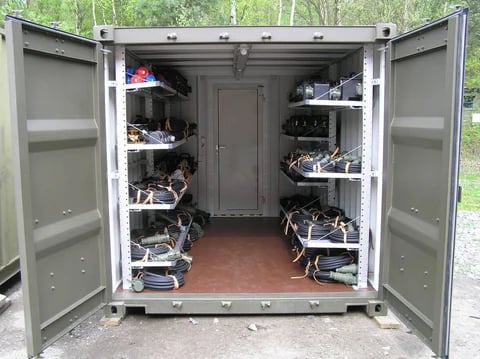
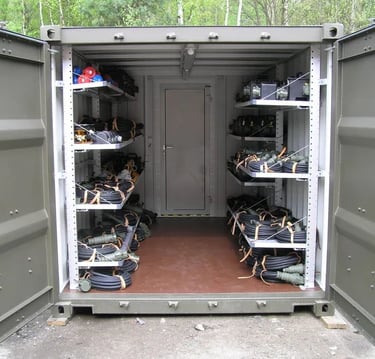
The shipping container solution: a “micro-warehouse” on your property
Think of a container like adding a compact warehouse module that sits right where you operate:
Steel + lockable for security
Weather-resistant for Ontario conditions
On-site access (no travel time)
Fast deployment (delivered to you)
Flexible (add one unit now, add another later)
If your goal is to keep your business area clean and fast, containers excel at overflow and staging.
Start here:
Request a quote (container + delivery)
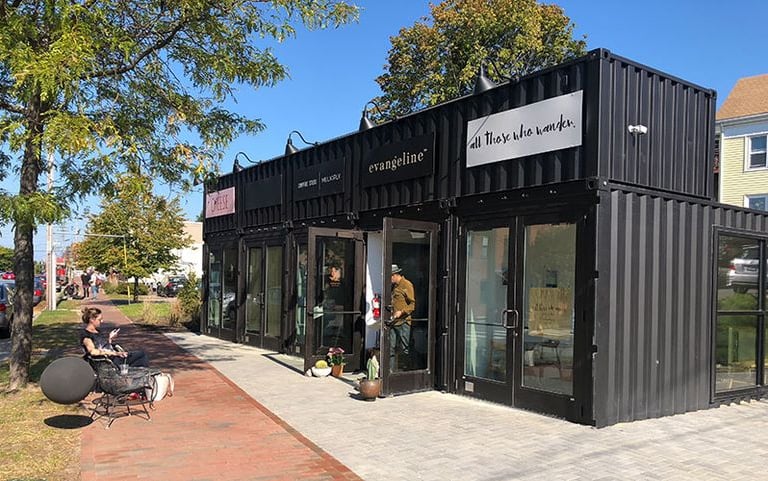

Spring Surge Use Cases (by business type)
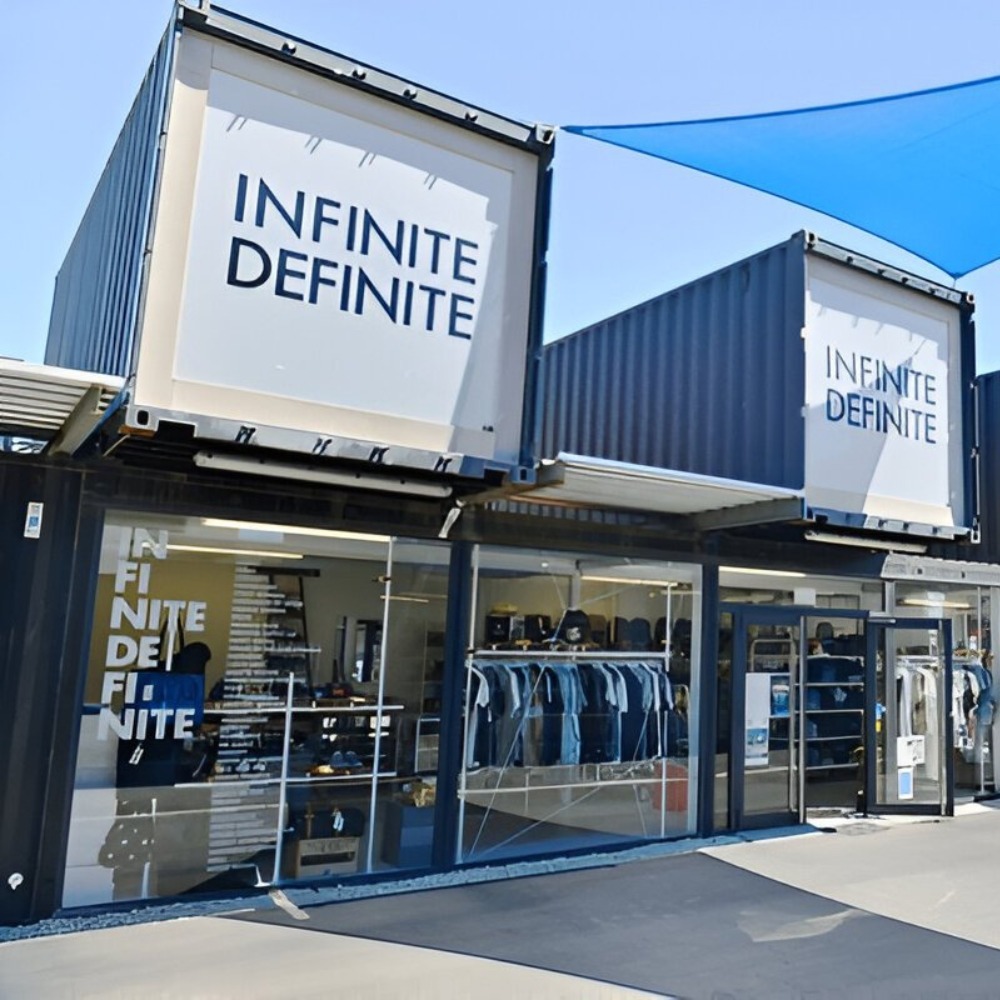
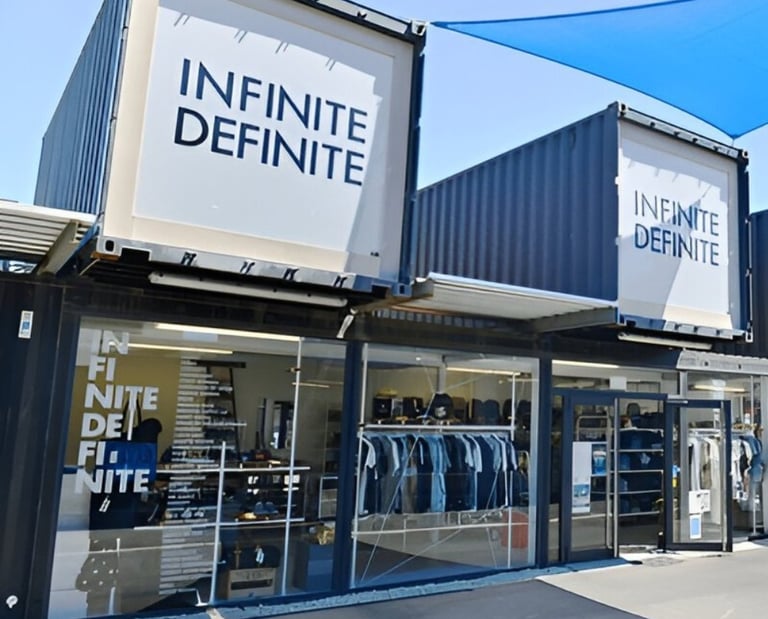
1) Retail & e-commerce: backstock + shipping supplies
Containers work extremely well for:
Case packs + backstock
Seasonal displays + signage
Packaging supplies (boxes, tape, filler)
Returns staging (sorted by status)
Why it helps: it frees up your backroom for what backrooms should be: fast picking, packing, and replenishment—not long-term storage.
Pro tip: set up “zones” inside the container (A–E) and label shelves so your team can grab items without digging. BDC recommends reliable tracking and regular counts to keep inventory accurate.
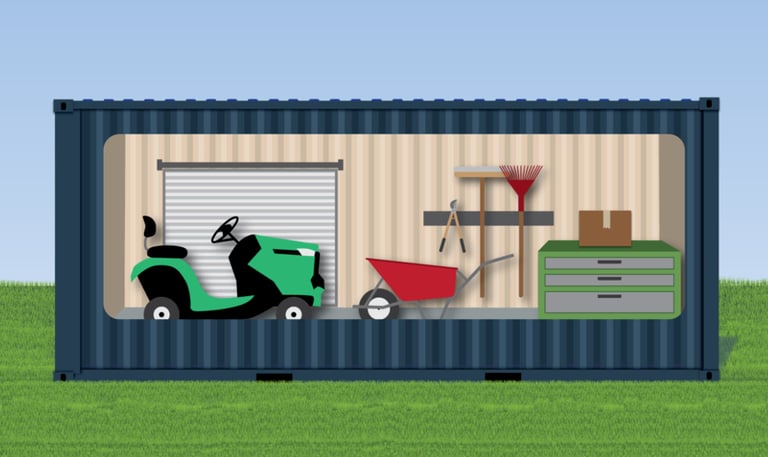
2) Landscaping, outdoor services & seasonal crews: yard hub storage
Spring means tools and parts multiply fast:
Trimmers, blowers, parts, consumables
Bulk supplies and bagged items
Crew gear that must be locked up nightly
A container becomes a secure yard hub so you stop wasting time loading/unloading the same tools every day.


3) Events, rentals & pop-ups: gear staging
If you handle tents, décor, staging, lighting, signage, or rental equipment:
Store gear “ready to go”
Stage weekend loads
Keep expensive items secured between events
This is especially useful when the busy season makes your storefront/warehouse too valuable to waste on storage.
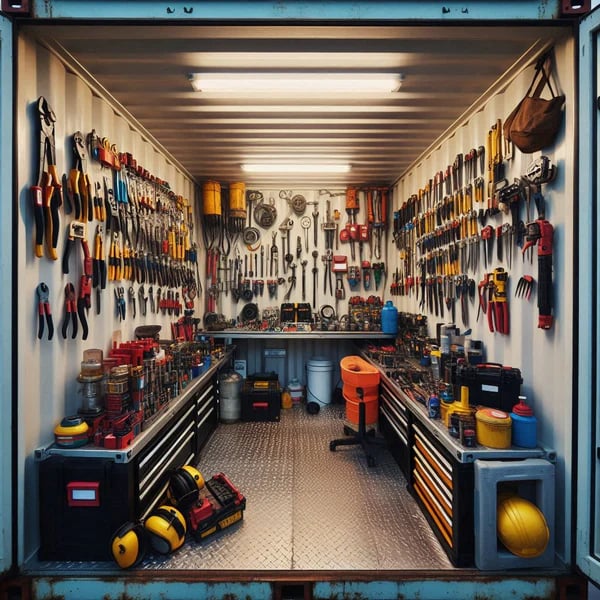
4) Trades & service businesses: parts, materials, and job staging
If your shop is also your warehouse, spring can create pile-ups:
Plumbing/HVAC parts, fittings, and tools
Flooring/tile, cabinets, or fixtures
Job packs pre-staged by client or address
A container lets you create a clean staging system so crews roll out faster.
20ft vs 40ft: which size make sense for a small business?
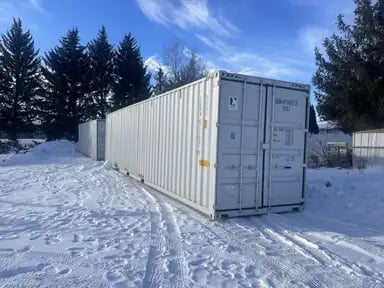
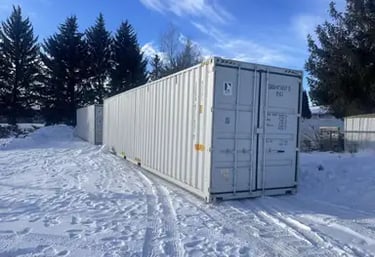
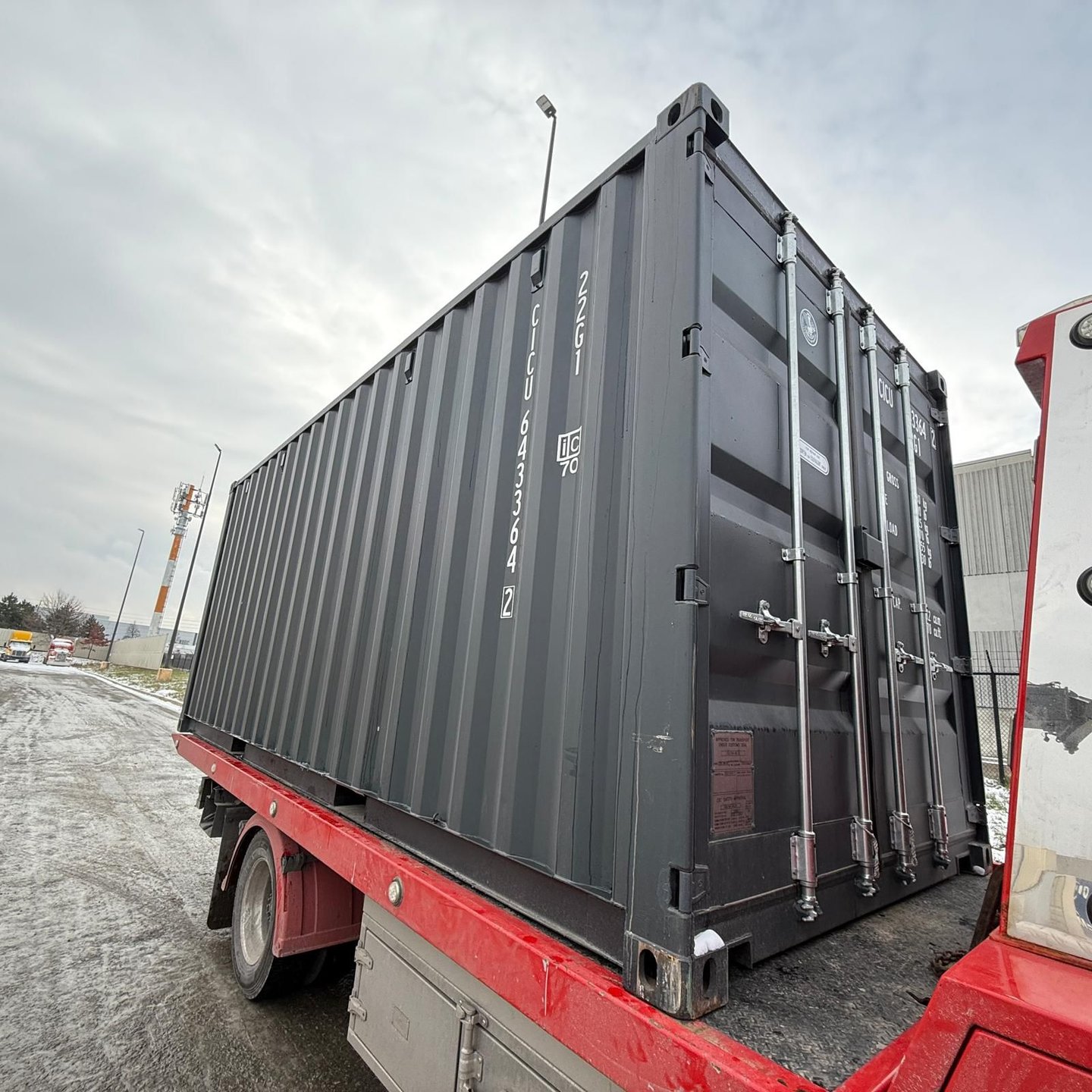
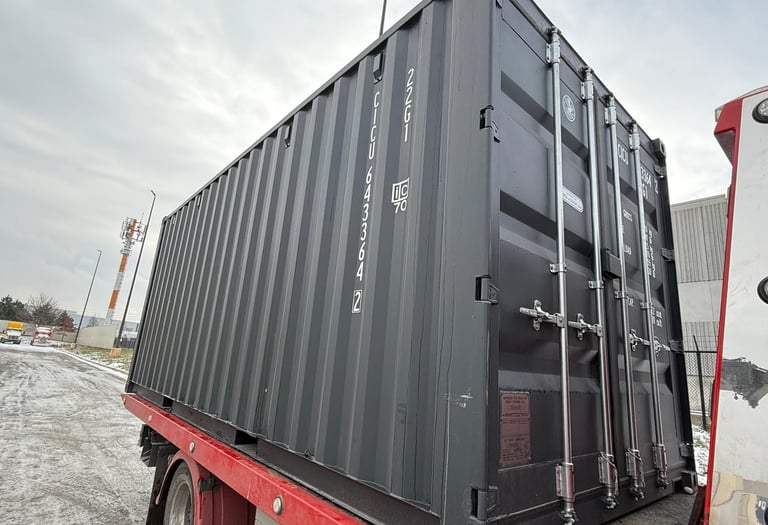
20ft container best usage
20ft containers are the most common “first unit” for businesses because they’re easier to place and still hold a lot. TDOT’s 20ft one-trip page lists the interior at about 19'4" L x 7'8" W x 7'10" H.
40ft containers are best when you need:
40ft containers are best when you need:
pallet staging
long-term overflow
multi-crew tool storage
bulk seasonal inventory
TDOT also sells used 40ft options and high-cube choices if you want extra height.
Used vs One-Trip: what's best for inventory storage?
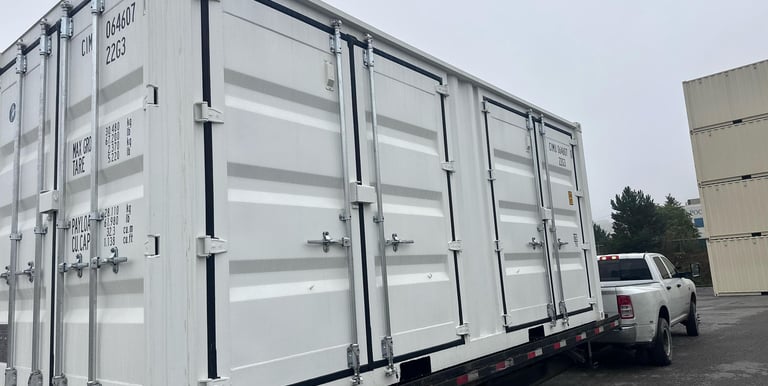
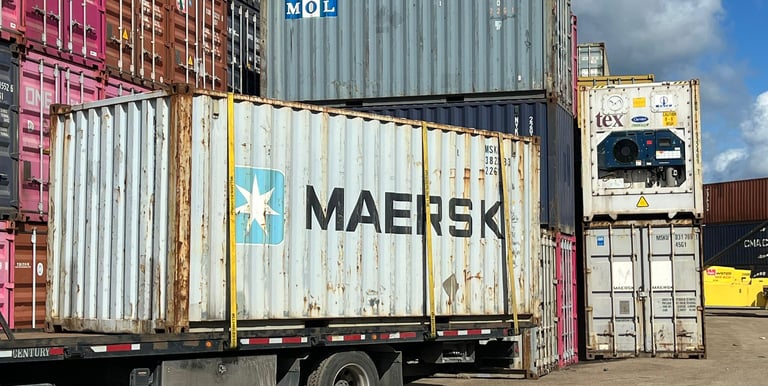
One-trip (New):
Best if you want the cleanest look, minimal wear, and “customer-facing” appearance (or longer ownership horizon)
Used WWT (Wind & Water Tight):
TDOT’s pricing guide breaks down the big levers that affect cost: condition, size/height, delivery distance, site complexity, and seasonality.
If you’re strictly solving spring overflow, many businesses start with WWT.
TDOT’s delivery notes are clear and worth including in your planning:
Containers are commonly delivered on a roll-off trailer (no crane/forklift needed in most cases)
Plan for straight-line clearance:
~75 feet for a 20ft
~120 feet for a 40ft
Ensure the surface can handle the truck weight—especially during spring thaw/mud season
Confirm overhead clearance:
at least 13'6", and during tip/roll-off it may need up to ~16'
If you’re unsure, send a quick photo of your drop area when requesting a quote so the team can advise you.
Delivery prep checklist for businesses
Spring is when demand ramps up—so businesses that plan early often get:
better availability (more options)
smoother delivery scheduling
less scrambling during peak season
TDOT’s pricing guide also notes that seasonality and global shipping cycles can influence container availability and pricing, which is why quotes may change.
If you’re building a plan for the season, locking in storage early can keep your operation running clean when orders and crews increase.
Why spring can be a smart time to buy
If your spring inventory is growing faster than your space, a shipping container is one of the quickest ways to add secure storage without a warehouse lease.
Browse inventory: https://tdotcontainers.com/prices-and-inventory
Read the Ontario pricing guide: https://tdotcontainers.com/shipping-container-prices-ontario
Request a quote: https://tdotcontainers.com/request-a-quote
Blog hub: https://tdotcontainers.com/shipping-container-blog-ontarioere...
Frequently asked questions
How fast can I get a container delivered in Ontario?
TDOT notes many orders are delivered within 1–3 business days, depending on weather, inventory, and busy seasons.
What size container is best for inventory overflow?
20ft is the most common starting point; 40ft is better for pallets and heavy staging.
Do I need to prep my lot before delivery?
Yes—plan clearance space and confirm firm ground and overhead clearance
Used WWT or One-Trip (new)—which should I choose?
WWT is typically best value for storage; one-trip is best for like-new appearance and long-term ownership.
Get in touch
Contacts
1-844-331-8368
tdotcontainers@gmail.com