SUMMER SALE! DEALS ON PURCHASES OF MULTIPLE UNITS! - Call us NOW for a free quote 1-844-331-8368

Spring Container Delivery Prep in Ontario: How to Avoid Ruts, Delays & Dry Runs After a Heavy Winter
Heavy winter? Prep your driveway and drop zone for shipping container delivery—avoid ruts, delays, and dry runs across Ontario. Contact us at TDOT Containers to get a quick quote and a check to see if you're delivery ready.
TDOT Team
3/4/20263 min read
Ontario winters can be rough — and when the snow finally starts melting, you get the “second season” nobody plans for: mud, soft ground, and messy access.
If you’re ordering a shipping container for spring storage, renovations, job sites, or business inventory overflow, a little delivery prep can be the difference between a smooth drop and a reschedule.
This guide covers the practical steps to prep your site before the truck arrives — so your delivery goes in cleanly, safely, and on time.
Before anything else, stand where you want the container and ask:
Will the doors open fully without hitting a fence, wall, or slope?
Do you want doors facing the driveway, yard, shop entrance, or job site lane?
Will you access it daily (place close), or occasionally (place farther)?
Tip: If it’s for daily business use, treat it like a “mini warehouse” and prioritize easy access over hiding it.
Step 1: Choose your drop zone (and decide door direction first)
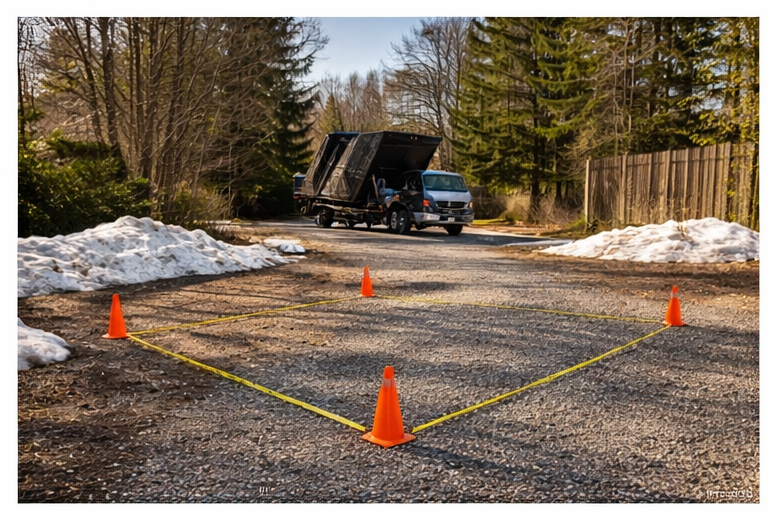
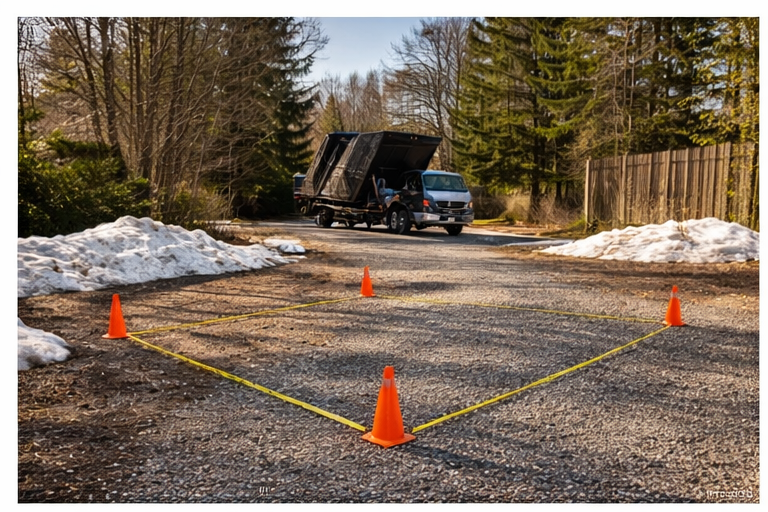
Step 2: Confirm access space for the truck (the most common issue)
Most container deliveries are done by roll-off/tilt equipment, which needs space to line up in a straight path.
To avoid dry runs, confirm:
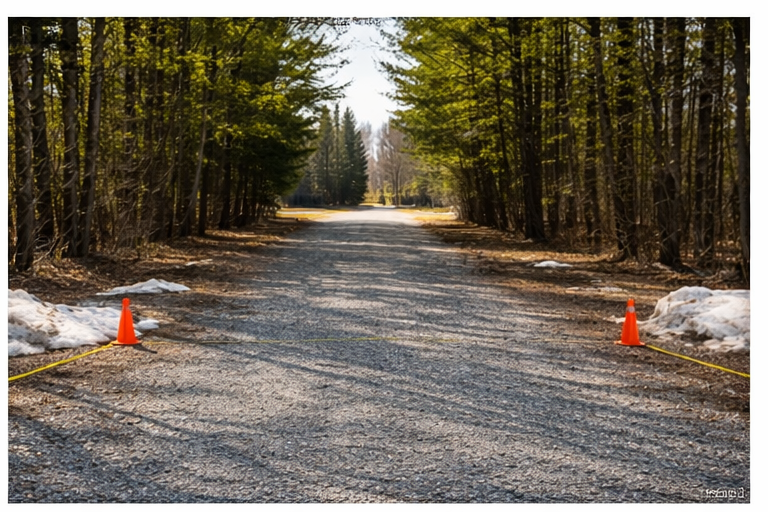
A straight approach into the drop spot (tight turns are a problem)
Enough room for the truck to reverse and align
No low branches, wires, or overhangs in the approach route
Step 3: Check overhead clearance (don’t miss this)
If you’ve had heavy snowfall and now rapid melt, assume the ground is softer than it looks.
Simple ways to reduce risk:
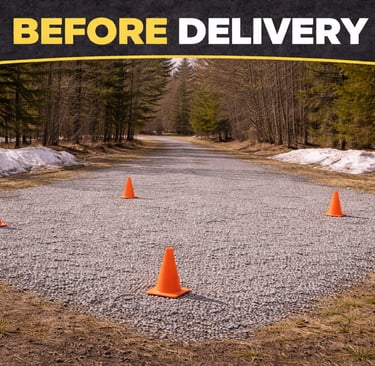
Choose the firmest area (packed gravel is best)
Avoid freshly thawed lawns
If the surface is soft, add a gravel base where the container will sit
Keep the approach route as firm and straight as possible
If you’re unsure, send photos with your quote request — it’s easier to adjust the plan than reschedule after a dry run.


Step 4: Protect your driveway/yard from ruts (mud season prep)
Even if your driveway is wide enough, overhead obstacles can stop a delivery:
Power lines
Tree branches
Building eaves / carports
If anything is close, take a quick photo/video from the road to the drop point and send it to us when you request a quote — it helps identify potential issues early.


Step 5: Leveling basics (so doors work smoothly)
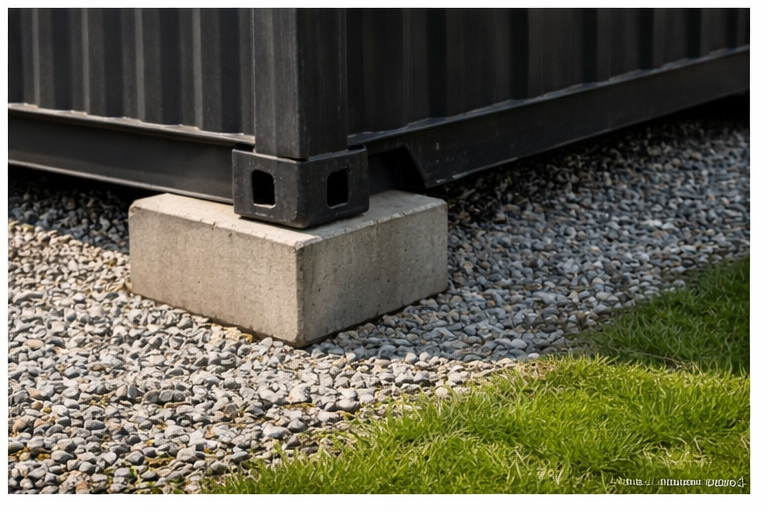
Containers perform best when placed on a stable, level base. If the base is uneven:
Doors may swing open/closed poorly
Water can pool around the unit
Long-term settling can twist the frame slightly
Easy setup tips:
Use solid wood blocks or proper supports at corners
Avoid placing directly on soft soil
If the ground is sloped, place the container so water drains away, not toward the doors
Step 6: Clear the small stuff (it matters more than you’d think)
Before delivery day:
Move vehicles out of the approach path
Clear loose materials (rocks, bins, lumber piles)
Remove gates/temporary fencing if it narrows the turn
Keep pets/people away from the drop zone for safety
It’s simple, but it prevents last-minute repositioning and delays.

Frequently asked questions
How long does shipping container delivery take in Ontario?
Delivery time depends on inventory, weather, and scheduling. Request a quote with your postal code for the most accurate timing.
What causes “dry runs” or delivery reschedules?
Most issues come from tight access, soft ground, or overhead obstacles. Prepping the site and sharing photos helps avoid this.
Do I need to prep a base?
If the ground is soft from thaw, a gravel base or solid corner supports can prevent sinking and help doors operate properly.
Get in touch
Contacts
1-844-331-8368
tdotcontainers@gmail.com